
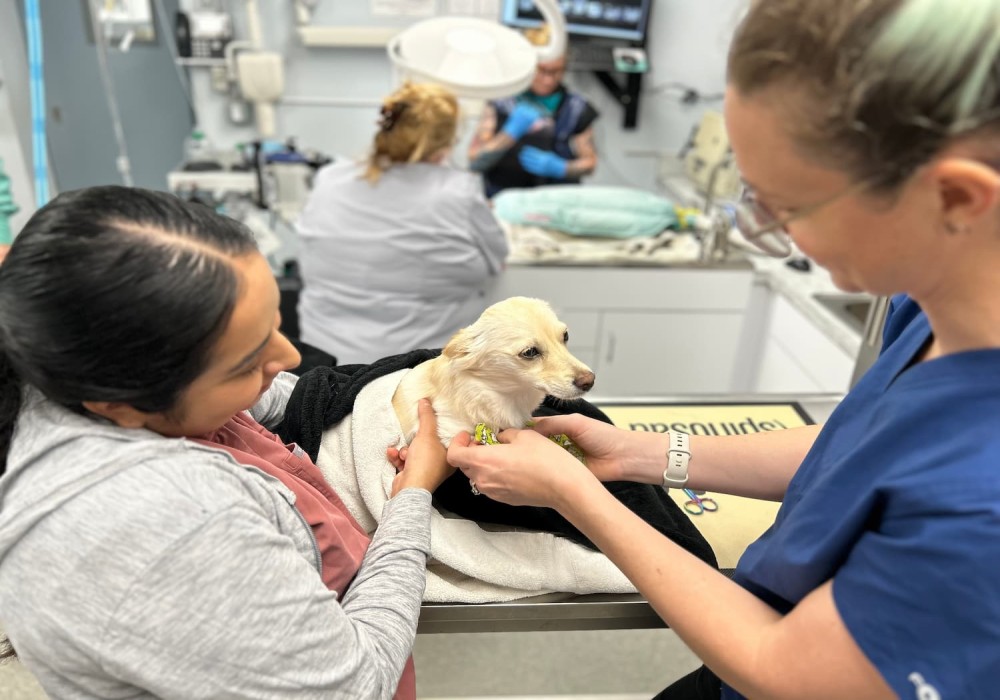
Unexpected illnesses and minor injuries can happen at any stage of your pet’s life. Understanding Pet Care costs before an urgent situation arises can make it easier to make informed decisions when your pet needs prompt medical attention. While there is no single price for every visit, knowing what influences the overall cost helps pet owners better understand what they are paying for. This guide explains the factors that affect urgent veterinary expenses, the services that may be included during a visit, and practical ways to prepare for unexpected costs.
Why Urgent Pet Care Costs Can Vary
Every pet is different, and so is every medical concern. Some pets may only require a physical examination and medication, while others need additional evaluation to determine the cause of their symptoms. For this reason, urgent care costs are based on the care your pet requires rather than a standard fee. At Pet Urgent Cares, treatment recommendations are based on each pet’s individual condition, ensuring that only the services needed to properly evaluate and manage their health concern are provided. Factors such as your pet’s age, medical history, symptoms, and the complexity of the condition all influence the care your veterinarian recommends.
The location of the clinic, available diagnostic equipment, and the time required for evaluation may also contribute to the overall cost. Understanding these variables can help you feel more confident if your pet needs urgent medical attention.
What Is Typically Included During an Urgent Care Visit?
An urgent care visit involves much more than a brief examination. The veterinary team gathers important information to understand your pet’s condition and determine the most appropriate next steps.
The visit often begins with a complete physical examination, followed by a discussion about your pet’s symptoms, recent behavior, eating habits, and medical history. Depending on the findings, additional services may be recommended to provide a clearer picture of your pet’s health.
The goal is to identify the underlying cause of your pet’s symptoms and recommend appropriate care based on their individual needs.
What Factors Affect the Final Cost?
Several elements influence the overall cost of urgent veterinary care. Understanding these factors provides greater transparency and helps explain why one visit may differ from another.
The Initial Evaluation
Every visit starts with a thorough examination. This allows the veterinarian to assess your pet’s condition, evaluate symptoms, and determine whether further evaluation is necessary.
Diagnostic Testing
If the cause of your pet’s illness is not immediately clear, laboratory testing or X rays may be recommended. These tools help veterinarians make informed decisions and reduce unnecessary treatments.
Medications and Supportive Care
Some pets only need medication to continue recovering at home, while others may benefit from additional supportive care before they are ready to leave the clinic.
Observation
Certain conditions require pets to remain under observation for a short period so the veterinary team can monitor their progress before discharge.
Common Reasons Pets Visit Urgent Care
Many conditions benefit from prompt evaluation before they become more serious. Some of the most common reasons owners seek urgent care for pets include:
Digestive problems such as vomiting, diarrhea, or loss of appetite: These symptoms may have many possible causes, making an examination important to determine the appropriate care.
Ear, skin, or eye concerns: Irritation, infections, or sudden discomfort can affect your pet’s quality of life and should be evaluated before symptoms worsen.
Minor injuries or changes in mobility: Limping, swelling, or discomfort after activity may indicate an injury that should be assessed by a veterinarian.
Urgent Care Compared With Emergency Veterinary Hospitals
Many pet owners wonder whether they should visit an urgent care clinic or an emergency veterinary hospital. While both provide important medical services, they are designed for different situations. Urgent care clinics generally treat illnesses and injuries that require same day attention but are not immediately life threatening. If you have searched for pet in-house diagnostics near me, an urgent care clinic may offer on site diagnostic services that help veterinarians evaluate your pet’s condition more efficiently. Emergency hospitals, on the other hand, manage more critical situations that require advanced monitoring and specialized care.
Understanding the difference can help pet owners choose the most appropriate level of care while avoiding unnecessary delays.
Why Early Evaluation Can Make a Difference
Waiting to see whether symptoms improve is sometimes appropriate, but in other situations delaying care may allow an illness to become more complicated. Early evaluation helps veterinarians identify problems before they progress and provides an opportunity to begin treatment sooner.
Even when a condition turns out to be minor, an examination offers reassurance and guidance for caring for your pet at home.
Preparing for Unexpected Veterinary Expenses
Planning ahead can reduce financial stress if your pet ever needs urgent medical attention.
Build a pet emergency fund: Setting aside money over time can help cover unexpected veterinary expenses when they occur.
Review pet insurance options: Some insurance plans help reimburse eligible veterinary expenses depending on the policy selected.
Keep preventive care up to date: Routine wellness examinations may help identify health concerns early and support your pet’s long term well being.
Tips for Understanding Veterinary Estimates
Veterinary estimates are designed to explain the recommended services for your pet’s visit. Reviewing the estimate carefully helps you understand what is included and why each service has been recommended.
Here are a few helpful questions to ask during your visit:
- What is causing my pet’s symptoms?
- Are any additional tests recommended?
- What treatment options are available?
- Will my pet need follow up care?
- What should I monitor after returning home?
Open communication helps pet owners understand the recommended plan and make informed decisions about their pet’s care.
Finding Affordable Pet Urgent Care Exton PA
Many families searching for affordable pet urgent care Exton PA want clear information about costs before visiting a clinic. While comparing prices is understandable, it is also helpful to consider the experience of the veterinary team, available medical equipment, communication, and the range of services offered.
Choosing a clinic that explains recommended care, discusses available options, and provides transparent information about expected costs can help reduce uncertainty during an already stressful situation.
If you would like to learn more about recognizing common illnesses or understanding when prompt veterinary attention may be appropriate, educational resources such as urgent care services, common pet health concerns, and wellness information can provide valuable guidance.
Making Informed Decisions About Urgent Pet Care
Understanding what influences urgent veterinary costs allows pet owners to prepare before an unexpected health concern arises. Every visit is different because every pet has unique needs, and treatment recommendations are based on careful evaluation rather than a standard approach. Staying current with routine checkups and wellness vet services may also help identify potential health concerns early, supporting your pet’s long term health and helping owners make informed decisions about future care.
Learning about urgent veterinary care, planning for unexpected expenses, and recognizing when prompt medical attention may be needed can help you make informed decisions while supporting your pet’s health. When your pet needs timely medical attention, Pet Urgent Cares provides walk in urgent care services, so no appointment is necessary.