
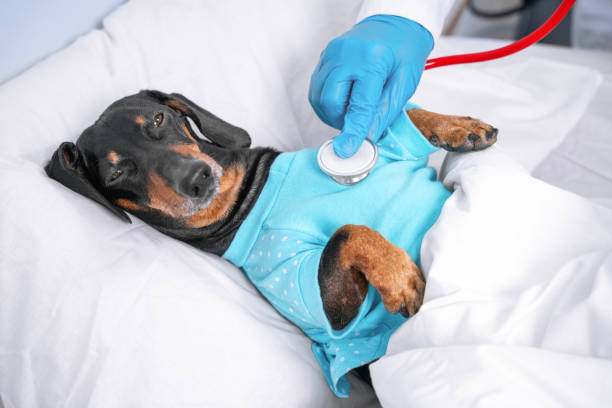
Pets often communicate through changes in behavior, movement, and daily habits rather than words. Recognizing these changes early can help owners make informed decisions about their pet’s health. When something seems unusual, understanding whether your pet needs Urgent Care or routine veterinary support can make a difference.
Urgent Care is designed for situations where pets experience unexpected health concerns that need timely evaluation. Knowing the signs that may require urgent veterinary attention can help owners respond appropriately when their pet’s condition changes. From sudden behavior changes to noticeable differences in normal routines, paying attention to pet health warning signs can provide important information about your pet’s well-being.
Many symptoms requiring urgent vet care can appear quickly, making it important for owners to understand what changes should not be ignored. While some concerns may be monitored with routine care, others may need faster evaluation from a veterinary professional.
This guide explains the top signs that may indicate your pet needs urgent veterinary support and what owners should know when making decisions about their pet’s health.
Why Recognizing Pet Health Warning Signs Matters
Pets naturally hide discomfort, which can sometimes make it difficult for owners to recognize when something is wrong. A pet that appears slightly different from normal may be experiencing a health concern that needs attention.
Knowing your pet’s usual behavior is one of the best ways to notice changes. Differences in eating habits, activity levels, comfort, or personality can provide valuable information. Early recognition allows owners to seek appropriate veterinary guidance based on their pet’s situation.
Not every health change requires the same level of care. Some concerns can be addressed during routine veterinary visits, while others may need more timely evaluation. Understanding the difference helps owners make clearer choices.
Top 10 Signs Your Pet May Need Urgent Care
Every pet is different, and symptoms can vary depending on age, breed, health history, and lifestyle. However, certain changes may indicate that your pet should receive timely veterinary attention.
1. Sudden Changes in Behavior
A noticeable change in your pet’s normal behavior can be an important sign that something is different. Pets that become unusually quiet, withdrawn, restless, or less interested in normal activities may be experiencing discomfort or another health concern.
Behavior changes are often one of the first things owners notice because they affect daily interactions. If your normally active pet suddenly avoids interaction or behaves differently, it is worth paying attention to the change and seeking veterinary guidance when needed.
2. Changes in Eating or Drinking Habits
A sudden increase or decrease in eating or drinking can be one of the symptoms requiring urgent vet care. Changes in appetite may happen for many reasons, and understanding the cause often requires professional evaluation.
Owners should pay attention when a pet refuses food, shows a significant change in normal eating patterns, or suddenly drinks much more or less than usual. These changes may provide important clues about a pet’s health.
3. Difficulty Moving or Changes in Activity Level
Pets often show health concerns through changes in movement. A pet that becomes less active, has trouble with normal activities, or appears uncomfortable while moving may need veterinary attention. Regular dog wellness exams Exton, PA can help monitor overall health and identify changes that may affect mobility or daily comfort.
Changes in mobility can affect pets of all ages. Younger pets may show sudden changes after activity, while older pets may experience new difficulties that require evaluation.
4. Unusual Digestive Changes
Changes related to digestion can sometimes indicate that a pet needs timely veterinary support. Owners may notice differences in normal bathroom habits, appetite, or overall comfort.
When digestive concerns appear suddenly or are accompanied by other unusual changes, veterinary guidance can help determine the appropriate next steps.
5. Signs of Ongoing Discomfort
Pets may show discomfort in subtle ways. They may become less social, change their sleeping patterns, avoid certain activities, or appear unable to settle comfortably.
Recognizing these small changes can help owners identify when their pet’s normal routine has been disrupted. Any sudden or unusual signs of discomfort should be taken seriously.
6. Sudden Changes in Energy Levels
A pet’s energy level can reveal a lot about their overall condition. A sudden decrease in activity or unusual tiredness may indicate that something has changed.
Owners know their pets’ normal personalities best. When a pet that is usually playful becomes noticeably inactive, veterinary evaluation may help identify what is causing the change.
7. Breathing or Comfort Changes
Changes in normal breathing patterns or signs that your pet is struggling to remain comfortable may require timely attention.
Breathing changes can be concerning because they may develop quickly. If a pet’s breathing seems different from normal, owners should consider seeking veterinary guidance.
8. Unusual Vocalization or Restlessness
Some pets become more vocal when they are uncomfortable or experiencing a health concern. Whining, unusual sounds, or difficulty settling may be signs that something has changed. Services like a microchip for dogs and cats can support pet identification and safety, while monitoring changes in behavior can help owners recognize when veterinary attention may be needed.
Because pets communicate differently from people, changes in vocal behavior can provide important clues about their condition.
9. Changes in Appearance or Normal Grooming Habits
A pet’s appearance and grooming habits can also provide health information. Changes such as reduced grooming, unusual posture, or looking different from normal may indicate a concern.
Owners should consider these changes along with other symptoms rather than looking at one sign alone. Multiple changes together may provide a clearer picture of a pet’s health needs.
10. A Sudden Overall Change in Your Pet’s Normal Routine
Sometimes the most noticeable sign is simply that your pet does not seem like themselves. A combination of small changes in behavior, eating, activity, or comfort can indicate that veterinary support may be needed.
Owners should trust their observations and consider professional guidance when their pet’s normal routine changes unexpectedly.
Important Factors to Consider When Evaluating Your Pet’s Health
Understanding symptoms is helpful, but every situation is unique. A sign that may be concerning in one pet may have a different meaning in another depending on age, medical history, and overall health.
Consider these factors when deciding whether your pet needs timely veterinary attention:
- Your pet’s normal behavior: Knowing what is normal for your pet makes it easier to notice unusual changes. Small differences in habits, activity, or personality can provide important information.
- The speed of the change: Sudden changes often require more attention than gradual changes. The timing of symptoms can help veterinary professionals better understand what may be happening.
- Multiple signs occurring together: One minor change may not always indicate a serious concern, but several changes happening at the same time may require closer evaluation.
How Owners Can Prepare for Unexpected Pet Health Concerns
Being prepared can help owners respond calmly when their pet’s health changes. Keeping track of your pet’s normal routines, behaviors, and health history can make it easier to explain concerns to a veterinary professional and support effective Diagnostic Care when needed.
It is helpful to know your pet’s usual eating habits, activity level, and personality. This information can help identify when something is different and provide valuable details during a veterinary evaluation.
Owners should also avoid ignoring changes that continue or worsen. Seeking veterinary guidance can help determine whether the concern requires urgent support, diagnostic evaluation, or routine follow-up.
Need Urgent Veterinary Care? Walk In—No Appointment Needed
If you notice any of these warning signs or your pet suddenly seems unwell, you don’t have to wait for an appointment. Pet Urgent Cares welcomes walk-in patients 7 days a week from 8:00 AM to 8:00 PM, providing timely veterinary evaluation for unexpected health concerns. Our team is here to assess your pet’s condition, answer your questions, and recommend the most appropriate next steps to help support their health.
Conclusion
Recognizing the signs that your pet may need Urgent Care allows you to respond more confidently when unexpected health concerns occur. Changes in behavior, eating habits, activity levels, comfort, or normal routines can provide important clues about your pet’s well-being. Learning more through our About Us section can help owners understand the veterinary team’s approach, services, and commitment to supporting pet health.
While not every change requires urgent veterinary support, understanding potential warning signs helps owners make informed choices. Paying attention to your pet’s normal habits and seeking professional guidance when concerns arise can support better health decisions.
Your pet depends on you to notice changes they cannot communicate. Learning these signs and understanding available veterinary options can help you provide appropriate support when your pet needs it most.