
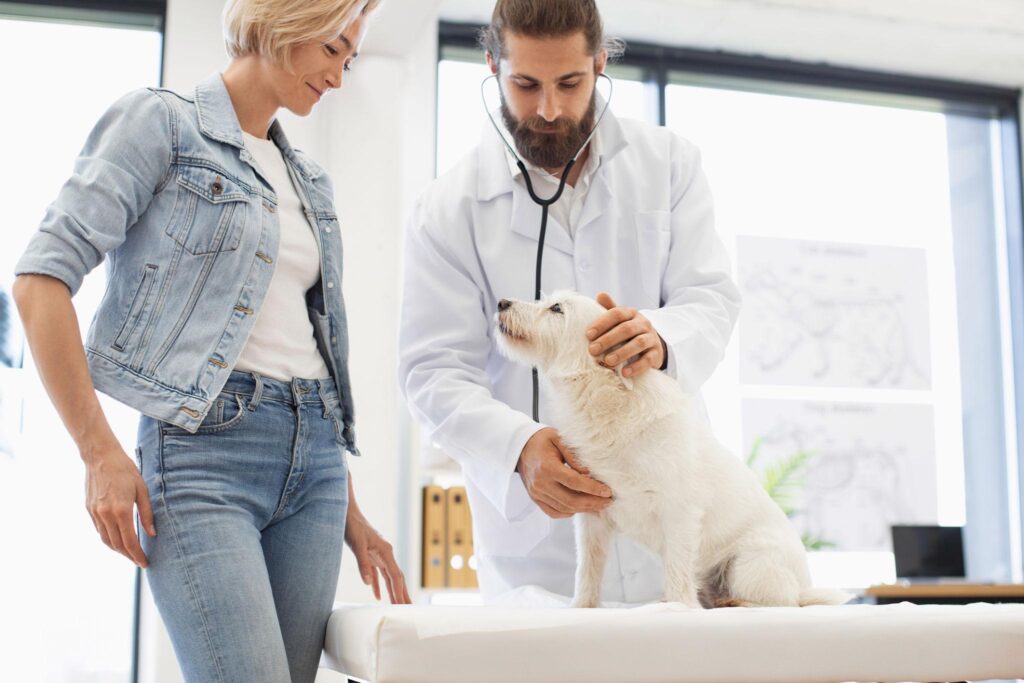
Pet Wellness care plays an important role in helping dogs and cats maintain long term health and quality of life. Many pet owners bring their pets in for regular veterinary visits to monitor their pet’s physical condition, identify early signs of illness, and receive preventive care guidance. A wellness exam is an important preventive care visit because it allows veterinarians to evaluate a pet’s overall health before serious medical concerns develop.
When searching for a Pet wellness exam Exton PA, pet owners often want to understand what happens during the exam and why regular exams matter. Wellness visits provide an opportunity to discuss nutrition, behavior, vaccinations, dental care, and lifestyle changes that may affect a pet’s health over time.
Understanding the structure of a wellness exam can help pet owners feel more prepared and informed before visiting a veterinary clinic.
Purpose of a Pet Wellness Exam
A wellness exam focuses on preventive healthcare rather than treating emergency illnesses or injuries. Veterinarians use these appointments to evaluate a pet’s physical condition and identify health concerns early.
Routine exams are important because animals may hide signs of discomfort or illness. Regular evaluations allow veterinarians to detect subtle changes that pet owners may not immediately notice at home.
Wellness visits also help establish a medical history that can support future diagnosis and treatment if health problems arise later.
Initial Health Discussion
Most wellness visits begin with a conversation between the veterinarian and the pet owner. During this discussion, the veterinarian gathers information about the pet’s recent behavior, appetite, activity level, and daily habits.
Topics commonly discussed include:
- Eating and drinking habits
Changes in appetite or water intake can sometimes indicate underlying health concerns. - Exercise and activity levels
Reduced activity or unusual fatigue may suggest discomfort, joint problems, or illness. - Bathroom habits
Changes in urination or bowel movements may help identify digestive or urinary issues. - Behavioral changes
Anxiety, aggression, or unusual behavior can sometimes relate to physical health conditions.
This discussion allows the veterinarian to better understand the pet’s overall lifestyle and health history.
Physical Examination Process
The physical exam is one of the most important parts of the wellness visit. Veterinarians carefully evaluate multiple areas of the pet’s body to identify signs of illness or discomfort.
Weight and Body Condition
The veterinarian typically records the pet’s weight and body condition score. Monitoring weight changes over time helps identify possible health issues such as obesity, malnutrition, or illness. Regular wellness visits and Pet Immunization Exton, PA can also support preventive care and long term health monitoring.
Maintaining a healthy weight supports joint health, heart function, and overall wellness.
Eyes, Ears, and Nose Examination
The veterinarian checks the eyes, ears, and nose for signs of infection, inflammation, discharge, or irritation.
Healthy eyes should appear clear and bright, while ears should remain free from excessive wax, redness, or odor.
Mouth and Dental Health
Dental evaluations are a major part of wellness vet services because oral health directly affects overall health.
Veterinarians often examine:
- Teeth condition
Plaque buildup, broken teeth, or discoloration may indicate dental disease. - Gum health
Redness or swelling can suggest gum infections or inflammation. - Breath odor
Persistent bad breath may point to dental or digestive concerns.
Dental disease can sometimes lead to pain and complications affecting other organs if left untreated.
Heart and Lung Evaluation
Listening to the heart and lungs helps veterinarians identify abnormalities that may require additional testing.
Using a stethoscope, the veterinarian checks for:
- Irregular heart rhythms
Changes in heart sounds may indicate cardiovascular issues. - Breathing abnormalities
Wheezing or unusual lung sounds can signal respiratory concerns. - Heart murmurs
Murmurs may develop due to age related changes or underlying conditions.
Early detection often improves treatment options and long term management.
Skin and Coat Assessment
Skin and coat condition can reveal important information about a pet’s health.
During the exam, veterinarians look for:
- Dry or irritated skin
Skin problems may relate to allergies, parasites, or infections. - Hair loss
Bald patches or thinning fur can indicate hormonal or dermatological issues. - Lumps or bumps
Unusual growths may require monitoring or further evaluation.
A healthy coat often reflects proper nutrition and overall physical condition.
Joint and Mobility Checks
Joint health becomes increasingly important as pets age. Veterinarians may observe how the pet walks, stands, or moves during the exam.
Mobility assessments help identify:
- Arthritis symptoms
- Joint stiffness
- Muscle weakness
- Pain during movement
- Balance or coordination concerns
Early intervention may help improve comfort and mobility in aging pets.
Vaccination Review
Vaccinations are commonly discussed during wellness visits. Veterinarians review vaccine history and recommend updates based on age, lifestyle, and risk exposure. Many clinics also discuss services like microchip for dogs and cats to improve pet safety and recovery if a pet becomes lost.
Core vaccines are generally recommended for most pets, while additional vaccines may depend on factors such as travel, boarding, or outdoor activity.
Vaccination schedules often vary for:
- Puppies and kittens
Young animals require multiple vaccinations during early development. - Adult pets
Adult animals may need periodic booster vaccinations. - Senior pets
Older pets may have different healthcare considerations based on age and medical history.
Parasite Prevention and Testing
Preventive care often includes discussions about parasites such as fleas, ticks, and intestinal worms.
Veterinarians may recommend:
- Flea and tick prevention
Preventive medications help reduce the risk of parasite related illnesses. - Heartworm prevention
Heartworm disease can become serious if not prevented through regular medication. - Fecal testing
Stool samples help identify intestinal parasites that may affect pet health.
Parasite prevention supports long term wellness and protects both pets and household environments.
Diagnostic Screening Tests
Some wellness exams include diagnostic testing to evaluate internal health conditions before symptoms appear.
Common screening tests may include:
Blood Testing
Blood work helps assess organ function, blood cell counts, and signs of infection or disease.
Urinalysis
Urine testing can help identify kidney issues, urinary tract infections, or diabetes related concerns.
Fecal Exams
Fecal analysis detects intestinal parasites that may not show obvious symptoms.
Diagnostic testing becomes especially important for senior pets because health risks often increase with age.
Nutrition and Weight Management Guidance
Nutrition discussions are another important part of wellness care. Veterinarians may review diet quality, feeding schedules, and portion sizes during the visit.
Topics often include:
- Weight management strategies
Maintaining healthy body weight reduces stress on joints and internal organs. - Age appropriate nutrition
Puppies, adult pets, and senior animals may require different dietary support. - Food sensitivities or allergies
Certain symptoms may improve with dietary adjustments.
Nutritional guidance helps support long term health and energy levels.
Behavioral and Lifestyle Discussions
Behavioral concerns are commonly addressed during wellness visits. Veterinarians may discuss anxiety, aggression, sleep patterns, or environmental stress factors.
Pet owners can also ask questions about:
- Exercise routines
- Training concerns
- Socialization habits
- Travel preparation
- Changes in household routines
These conversations help veterinarians provide more personalized wellness recommendations.
Importance of Regular Wellness Exams
Routine wellness visits allow veterinarians to identify problems before they become severe or expensive to treat. Early detection often improves treatment outcomes and quality of life for pets. Many veterinary clinics provide educational resources and information about preventive care services to help pet owners make informed healthcare decisions for their pets.
Regular exams are especially important for:
- Senior pets
Aging animals may develop health conditions that require closer monitoring. - Puppies and kittens
Young pets need regular growth assessments and vaccination schedules. - Pets with chronic conditions
Ongoing monitoring helps manage long term medical issues.
Consistent preventive care supports healthier and more comfortable lives for pets throughout every stage of life.
Final Thoughts
A wellness exam provides a complete overview of a pet’s physical health, preventive care needs, and lifestyle factors. From dental checks and vaccination reviews to diagnostic testing and nutritional guidance, these wellness visits play an essential role in long term pet care.
Pet owners searching for a Pet wellness exam Exton, PA should understand that regular veterinary visits are designed to detect health concerns early and support ongoing wellness. Preventive care, routine monitoring, and open communication with a veterinarian can help pets remain healthier and more comfortable over time.