
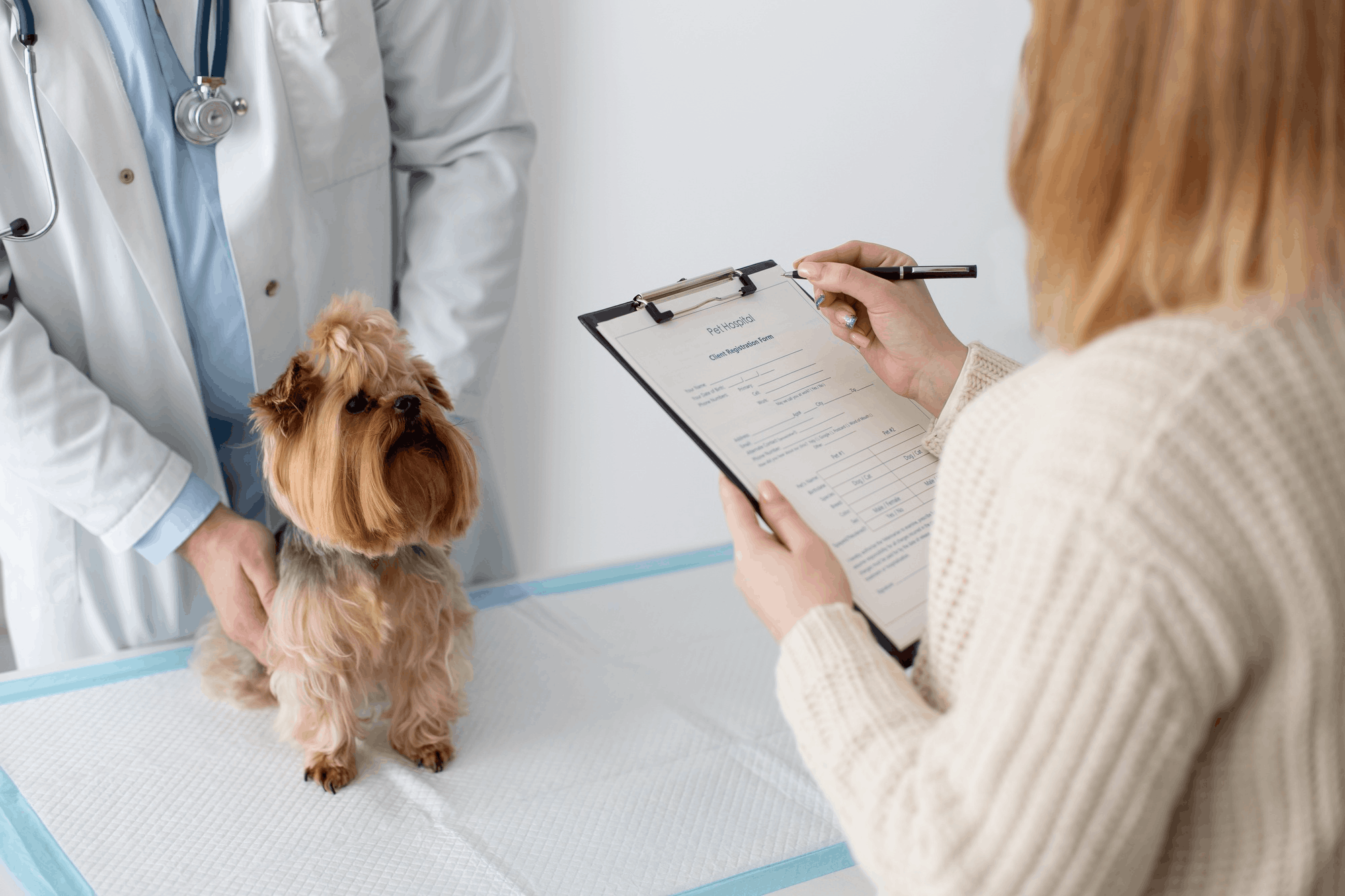
Dog Wellness plays a central role in maintaining long term health and preventing disease in pets. Dog Wellness visits are designed to monitor a dog’s overall condition, identify early signs of illness, and support a proactive approach to care. By focusing on Dog Wellness, pet owners can ensure their dogs receive regular evaluations that contribute to a better quality of life.
This guide explains what happens during dog wellness exams Exton, PA, what veterinarians typically assess, and how pet owners can prepare for a routine visit.
Understanding Dog Wellness Exams
A wellness exam is a routine veterinary visit that focuses on preventive care rather than treating illness. These exams help track a dog’s health over time and provide an opportunity to address concerns before they become serious.
Pet wellness exam Exton, PA services usually include a full physical evaluation, vaccination updates, and discussions about nutrition, behavior, and lifestyle. Regular checkups are recommended at least once a year for adult dogs, while puppies and senior dogs may require more frequent visits.
Wellness exams are an essential part of responsible pet ownership and support early detection of health issues.
What Happens During a Dog Wellness Exam
During a wellness visit, veterinarians perform a detailed assessment of the dog’s overall health. This process helps identify any changes or potential concerns.
Key Components of a Wellness Exam
Physical examination
The veterinarian checks the dog’s body condition, skin, coat, eyes, ears, and teeth to ensure everything appears healthy.Weight and vital signs
Monitoring weight, heart rate, and temperature helps track overall health and detect abnormalities.Vaccination review
Vaccines are updated based on the dog’s age, lifestyle, and risk factors.Parasite prevention
Discussion about flea, tick, and heartworm prevention ensures ongoing protection.Behavior and diet evaluation
Owners can discuss concerns related to behavior, feeding habits, and activity levels.
Each of these steps contributes to a comprehensive understanding of the dog’s health.
Importance of Preventive Care
Preventive care is one of the main goals of dog wellness exams. By identifying issues early, veterinarians can recommend treatments that are often simpler and more effective.
Routine exams help detect conditions such as dental disease, obesity, and early signs of chronic illness. Addressing these concerns early can improve outcomes and reduce long term costs.
Preventive care also includes essential measures like the rabies vaccine for dogs and parasite control, which protect both pets and their owners from potential health risks.
Preparing for a Wellness Visit
Preparing for a veterinary visit can help ensure a smooth and productive experience. Pet owners should gather relevant information and observe any changes in their dog’s behavior or health.
Steps to Prepare for a Dog Wellness Exam
Document recent changes
Note any changes in appetite, behavior, or activity level to share with the veterinarian.Bring medical records
Previous vaccination and treatment records provide important context for the visit.List questions or concerns
Preparing questions helps ensure all topics are addressed during the appointment.Ensure safe transport
Use a leash or carrier to keep the dog secure during travel.Arrive on time
Timely arrival allows for a complete and unhurried examination.
Common Tests and Screenings
Depending on the dog’s age and health status, veterinarians may recommend additional tests during a wellness exam. These tests provide deeper insight into internal health.
Examples include blood tests, urine analysis, and fecal exams. Senior dogs may require more comprehensive screenings to monitor for age-related conditions.
These diagnostic tools help identify issues that may not be visible during a physical exam alone.
Frequency of Dog Wellness Exams
The frequency of wellness visits depends on the dog’s life stage and overall health.
Puppies typically require multiple visits during their first year for vaccinations, growth monitoring, and services like Pet microchipping exton pa. Adult dogs usually benefit from annual exams, while senior dogs may need checkups every six months.
Regular visits allow veterinarians to track changes over time and adjust care plans as needed.
Benefits of Regular Wellness Exams
Early detection of health issues
Routine exams help identify problems before they become serious.Personalized care plans
Veterinarians can tailor recommendations based on the dog’s specific needs.Improved quality of life
Consistent care supports long term health and well-being.
These benefits highlight the importance of maintaining a regular wellness schedule.
Cost Considerations
The cost of dog wellness exams Exton, PA can vary depending on the services provided. Basic exams are generally more affordable than visits involving additional tests or treatments.
Factors that influence cost include the type of examination, diagnostic testing, and vaccinations. While costs may vary, regular wellness visits can help prevent more expensive treatments in the future.
Role of Pet Owners in Wellness Care
Pet owners play an important role in maintaining their dog’s health between visits. Observing behavior, providing proper nutrition, and ensuring regular exercise all contribute to overall wellness, along with access to services like pet in-house diagnostics when needed.
Communication with the veterinarian is also essential. Sharing accurate information about the dog’s lifestyle and habits helps guide better care decisions.
Conclusion
Dog wellness exams are a fundamental part of preventive veterinary care. These visits provide an opportunity to monitor health, detect issues early, and maintain a consistent care routine.
By understanding what to expect during a wellness exam and preparing in advance, pet owners can make the most of each visit. Regular checkups support long term health and help ensure that dogs lead active and comfortable lives.