
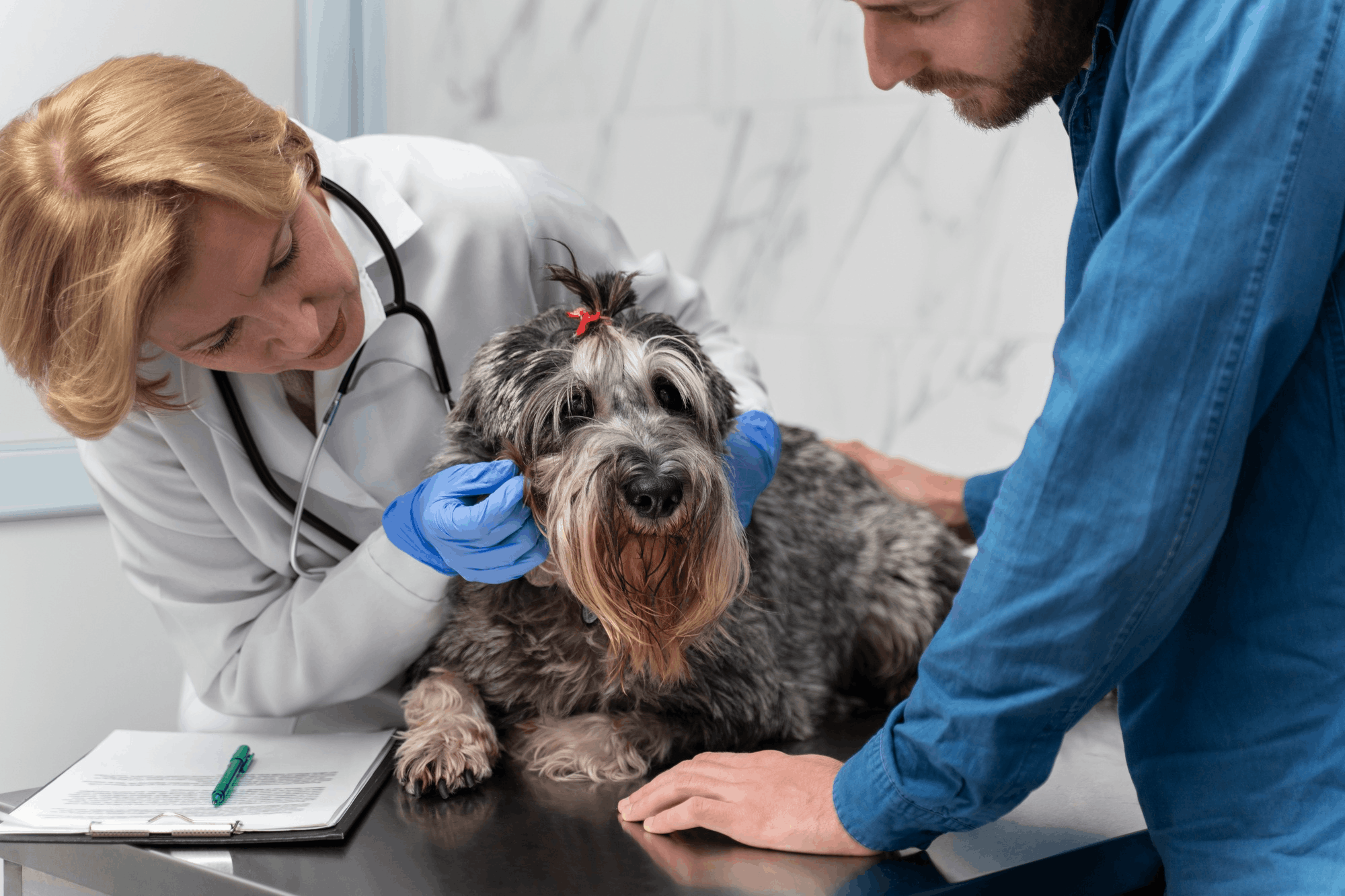
Pet Urgent Care in Exton, PA plays an important role in helping pet owners manage unexpected health concerns that are not life threatening but still require prompt attention. Many people turn to Pet Urgent Care services when their pets show sudden symptoms that cannot wait for a routine veterinary appointment. Choosing Pet Urgent Care allows owners to access timely medical support without the long wait times often associated with emergency hospitals.
This guide explains what to expect during a walk in visit, how urgent care for pets works, and how to prepare for a smoother experience.
Understanding Pet Urgent Care Services
Pet urgent care clinics are designed to treat non life threatening conditions that still require immediate attention. These facilities bridge the gap between routine veterinary care and full emergency services.
Common reasons for visiting pet urgent care include minor injuries, infections, digestive issues, and sudden changes in behavior. Unlike traditional veterinary clinics, urgent care centers often accept walk in patients, making them accessible when appointments are not available.
Pet urgent cares in Exton, PA typically operate during extended hours, including evenings and weekends, to provide greater flexibility for pet owners.
When to Choose Urgent Care for Pets
Understanding when to choose a Pet wellness exam Exton, PA instead of an emergency hospital is important. This type of care is suitable for conditions that need prompt attention but are not immediately life-threatening.
Examples include:
Mild vomiting or diarrhea
Minor cuts or wounds
Ear infections or skin irritations
Limping without severe injury
Eye redness or discharge
Severe conditions such as difficulty breathing, seizures, or major trauma should always be directed to an emergency veterinary facility.
What Happens During a Walk In Visit
A walk in visit to a pet urgent care clinic follows a structured process designed to assess and treat pets efficiently. While each clinic may vary slightly, the general experience is similar.
Key Steps in the Visit Process
Check in and initial assessment
Pet owners provide basic information about their pet’s condition, and staff evaluate the urgency of the case.Triage and prioritization
Pets are seen based on the severity of their symptoms rather than arrival time.Veterinary examination
A veterinarian performs a physical exam and may ask questions about symptoms and medical history.Diagnostic testing if needed
Tests such as blood work or imaging may be recommended to better understand the issue.Treatment and care plan
The veterinarian provides treatment and explains next steps, including medications or follow up care.
This process helps ensure that pets receive timely and appropriate care.
Common Services Offered
Pet urgent care clinics provide a range of services, including pet microchipping, tailored to non emergency situations. These services focus on stabilizing the pet and addressing immediate concerns.Typical Services Include
Treatment for minor injuries
Care for cuts, sprains, and other non severe injuries helps prevent complications.Management of infections
Skin, ear, and eye infections are commonly treated with medications and monitoring.Digestive issue support
Clinics address symptoms like vomiting or diarrhea to prevent dehydration.Basic diagnostic testing
On site tests help identify underlying conditions quickly.
These services allow pet owners to address health concerns without visiting a full emergency hospital.
Cost Expectations for Pet Urgent Care
Costs for urgent care visits can vary depending on the type of treatment and diagnostic services required. While generally more affordable than emergency care, urgent care is typically more expensive than routine veterinary visits.
Factors that influence cost include:
Type of medical issue
Diagnostic tests performed
Medications prescribed
Length of the visit
Understanding these factors can help pet owners prepare for potential expenses.
Benefits of Walk In Pet Urgent Care
Convenient access to care
Walk in availability allows pet owners to seek treatment without waiting for an appointment.Faster response for non emergency issues
Urgent care clinics focus on timely treatment for conditions that need prompt attention.Reduced pressure on emergency hospitals
By handling less critical cases, urgent care centers help keep emergency facilities available for severe situations.
These benefits make urgent care an important part of modern veterinary services.
Preparing for a Visit
Being prepared for a visit can help make the process smoother and more efficient. Pet owners should gather relevant information and ensure their pet is safely transported.
Important preparation steps include:
Bringing medical records if available
Noting recent symptoms and changes in behavior
Keeping pets secure in carriers or on leashes
Arriving with enough time for check in
Preparation helps veterinary staff assess and treat the pet more effectively.
Understanding Wait Times
Wait times at pet urgent care clinics can vary depending on the number of patients and the severity of cases. Since clinics prioritize based on medical need, pets with more serious conditions may be treated first.
This system ensures that all animals receive care based on urgency, even if it means longer waits for less critical cases.
Follow Up Care and Recovery
After treatment, pet owners are often given instructions for follow up care, which may include recommendations for wellness vet services. This may involve administering medication, monitoring symptoms, or scheduling a visit with a primary veterinarian.
Following these instructions is essential for ensuring proper recovery and preventing complications. In some cases, additional care may be required if symptoms persist or worsen.
Conclusion
Walk in pet urgent care clinics in Exton, PA provide a valuable service for pet owners dealing with unexpected but non life threatening health issues. These facilities offer timely care, flexible access, and a structured approach to treatment.
By understanding what to expect during a visit, when to seek urgent care, and how to prepare, pet owners can make informed decisions about their pet’s health. Proper planning and awareness help ensure that pets receive the care they need in a timely and efficient manner.