
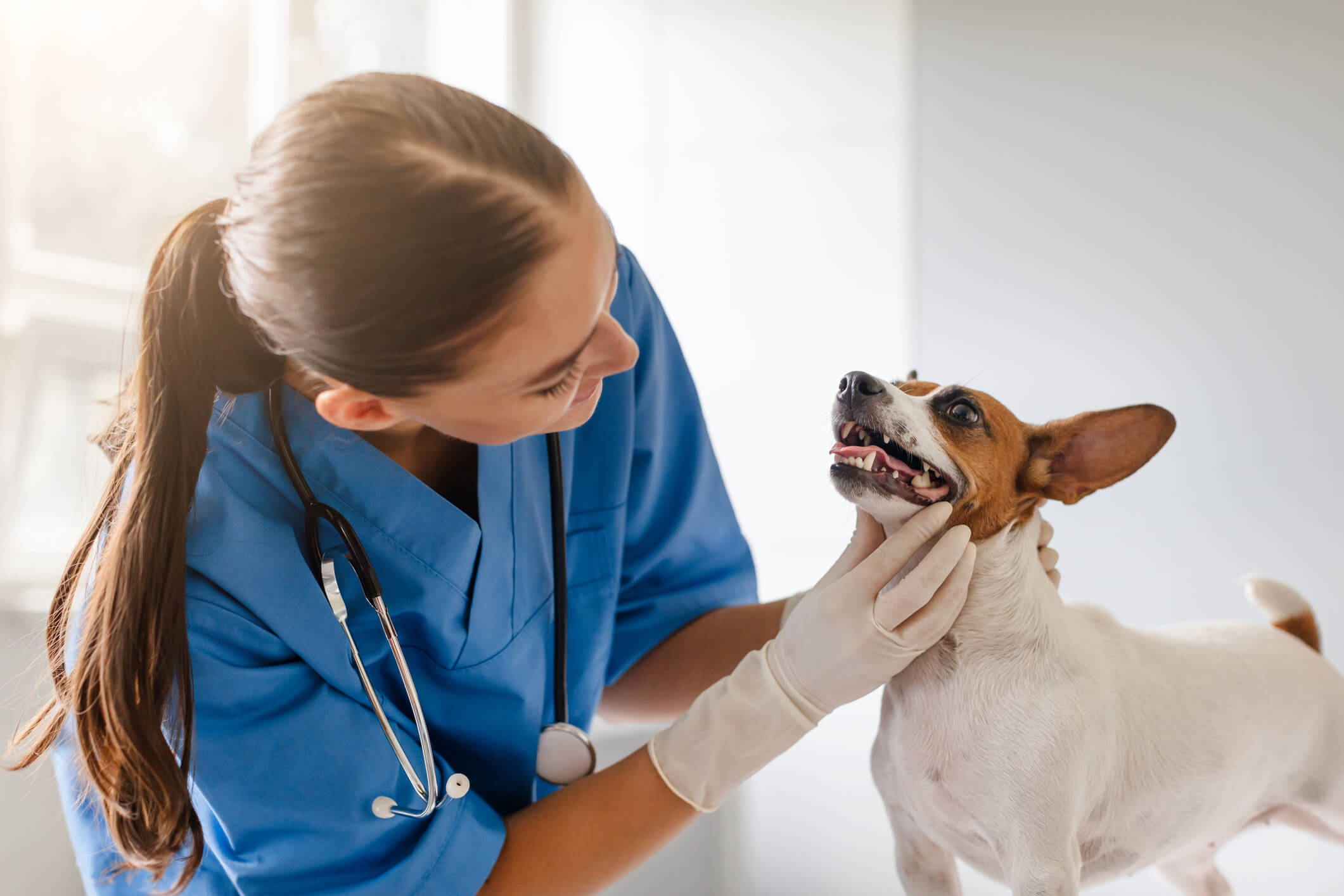
Knowing when to take your pet-to-pet urgent care versus an emergency vet can be stressful for any pet owner. While both services provide professional veterinary care, they are designed for different levels of medical urgency. Using the right option ensures your pet receives timely treatment, reduces unnecessary costs, and prevents complications.
Whether your furry companion is a playful puppy or a senior pet, understanding the difference between urgent care for pets and emergency services can make all the difference in your pet’s health and safety.
Why Choosing the Right Care Matters
Choosing the correct type of care is not just about convenience. It directly affects your pet’s recovery and overall well-being. Pet urgent care handles non-life-threatening issues that still require prompt attention, while emergency vets are equipped to manage critical, life-threatening situations.
Using the right service saves time, reduces stress for your pet, and ensures that minor problems don’t escalate into emergencies.
Benefits of Pet Urgent Care
Pet urgent care centres offer a wide range of services for pets with minor injuries or illnesses that cannot wait for a regular appointment. Key advantages include:
- Shorter wait times: Unlike emergency vets, urgent care centres often allow same-day or walk-in visits, minimizing the stress your pet experiences in a clinic environment.
- Lower costs: Emergency vet visits can be expensive due to high-intensity care. Urgent care is typically more affordable for non-life-threatening conditions.
- Extended hours: Many urgent care clinics operate evenings and weekends, giving pet owners more flexibility.
- Professional evaluation: Skilled veterinarians can assess conditions, provide immediate treatment, and advise on whether escalation to an emergency vet is necessary.
With urgent care for pets, minor issues like cuts, mild vomiting, or minor infections can be resolved quickly and efficiently.
When Emergency Vet Care is Necessary
Emergency vets are prepared for critical situations that pose an immediate threat to your pet’s life. Delaying care for these conditions can have severe consequences. Typical emergency signs include:
- Difficulty breathing or choking
- Seizures or collapse
- Severe bleeding or trauma
- Ingestion of toxic substances like medications or household chemicals
- Unresponsiveness or extreme weakness
Recognizing these signs early can save your pet’s life and prevent long-term complications.
Common Conditions Treated at Pet Urgent Care
Pet Urgent Cares in Exton PA handle a variety of urgent but non-life-threatening conditions. These include:
- Minor cuts and bruises: Small lacerations may require cleaning, stitches, or bandaging. Prompt care prevents infections.
- Mild vomiting or diarrheal: When accompanied by normal energy and hydration, urgent care can manage these digestive issues effectively.
- Ear or skin infections: Infections can worsen quickly if left untreated, causing discomfort and secondary health problems.
- Eye irritations or conjunctivitis: Early treatment protects vision and reduces pain.
- Fever or mild lethargy: Urgent care allows for evaluation and early treatment to prevent progression.
- Minor fractures or sprains: Veterinarians can assess, splint, and recommend rest or follow-up care for recovery.
Receiving timely attention at an urgent care centre can prevent these issues from escalating into emergencies.
Recommended Guidelines: Urgent Care vs Emergency Vet
Understanding when to visit pet urgent care versus an emergency vet is crucial for all pet owners.
Non-Life-Threatening but Urgent Situations
- Persistent vomiting or diarrheal lasting more than 24 hours
- Minor lacerations that may require stitches
- Fever or mild infections without severe symptoms
- Unusual but not dangerous behavioural changes
- Signs of mild pain or discomfort
These conditions are best addressed at pet urgent care or through wellness vet services, where pets receive prompt evaluation and treatment without the stress and cost of emergency care.
Life-Threatening Emergencies
- Difficulty breathing, choking, or collapse
- Seizures or neurological distress
- Severe trauma from accidents or falls
- Ingesting toxic substances such as chocolate, medications, or household chemicals
- Profuse bleeding, shock, or extreme weakness
Pets experiencing these conditions require immediate emergency vet care to prevent serious harm or death.
What to Expect at a Pet Urgent Care Visit
When visiting urgent care for pets, veterinarians perform a comprehensive assessment to ensure accurate treatment. Typical steps include:
- Physical examination: Checking vital signs, weight, temperature, heart rate, and respiration. The vet evaluates eyes, ears, mouth, skin, coat, and joints.
- Diagnostics: Blood work, X-rays, ultrasound, or lab tests may be performed based on symptoms or risk factors.
- Treatment: Minor injuries are treated, medications prescribed, and preventive measures recommended.
- Follow-up advice: The vet guides pet owners on home care and alerts them if escalation to emergency care is needed.
These services ensure your pet receives the appropriate attention while avoiding unnecessary emergency visits.
Advantages of Mobile and Local Pet Urgent Care
For pet owners with busy schedules, Pet Urgent Cares in Exton PA often provide mobile services or local clinics that bring care closer to home.
Benefits of Mobile and Local Care
- Convenience: Reduces stress for pets who dislike travel or car rides.
- Time-saving: Eliminates long trips to clinics while providing professional care.
- Consistency: Familiar veterinarians can monitor ongoing health concerns.
- Immediate advice: Pet owners can consult professionals for minor issues before they escalate.
Mobile or local urgent care services ensure pets receive timely attention without compromising quality.
How to Decide Between Urgent Care and Emergency Services
Making the right choice requires careful observation of your pet and understanding the severity of the condition. Consider the following:
- Evaluate severity: Life-threatening symptoms need emergency care.
- Timing: Urgent care is ideal for issues that need same-day attention but are not critical.
- Behavioural changes: Sudden changes in appetite, energy, or appearance may indicate escalating problems.
- Professional guidance: Many urgent care clinics offer phone consultations to help decide if emergency care is necessary.
By following these steps, pet owners can act quickly and confidently when their pets are unwell.
Signs Your Pet May Need More Frequent Care
Some pets require closer monitoring and more frequent visits to either urgent care for pets, their regular veterinarian, or for preventive services like the rabies vaccine for dogs:
- Pets with chronic conditions such as diabetes, heart disease, or kidney problems
- Senior pets experiencing age-related health changes
- Breeds predisposed to certain illnesses
- Behavioural changes that may indicate pain or discomfort
Early detection, consistent monitoring, and preventive care such as the rabies vaccine for dogs help maintain your pet’s quality of life and prevent serious complications.
Taking the Next Step – Scheduling Your Visit
Booking a visit at Pet Urgent Cares in Exton PA is simple and straightforward. Here’s what to do:
- Call or use the online scheduling system for convenience
- Provide your pet’s medical history and current symptoms
- Bring any medications or records for reference
- Arrive a few minutes early to allow your pet to acclimate
Prompt scheduling ensures your pet receives timely care and prevents minor issues from escalating into emergencies.
Conclusion
Knowing when to visit pet urgent care versus an emergency vet is critical for every pet owner. While urgent care centres address non-life-threatening issues quickly and efficiently, emergency vets are prepared for severe and life-threatening conditions. By understanding the differences, observing your pet’s health, and using local Pet Urgent Cares in Exton PA, you can ensure your pet stays healthy, happy, and safe.